All Categories
Featured
Table of Contents
IT governance structures help align IT properties with service goals and assistance efficient decision-making. Secret goals of an IT governance framework include strategic alignment, worth delivery, risk management, resource management, and efficiency measurement.
At Waydev, we understand that things are pretty intricate when it comes to IT Governance planning in a company. Linking IT and corporate structures while ensuring that both are part of a synchronized technique and pursue the same objective business success is not a simple job. To help you serve as an essential part of Business Governance and release the IT governance frameworks at its best, we will stroll you through the idea, its objectives and methodologies, and its benefits and use you tips and tricks on releasing it successfully.
Read further to learn how to track KPIs and budget plans to make the work for you. There are a couple of IT Governance definitions out there, but the easiest method to describe the process is to define it as a pillar of corporate Governance. This set of policies makes it possible for Engineering executives to release effective decision-making processes that ensure IT properties supply top value to the company and its stakeholders.
Key Governance Metrics for Enterprise Cloud Assets
On a big scale, the IT governance structure is a part of the overall business governance. In this context, performing well, ensuring operational effectiveness, and sound resource management are mandatory.
Excellent IT governance practices ensure the worth proposals are continuous which IT efforts remain in line with the business's general operations. This is, maybe, the core objective of IT governance. IT properties should follow the value proposision throughout the entire software shipment life process procedure (SDLC). An important pillar of this criterion is enhancing expenses and showcasing how valuable IT efforts and investments are throughout all phases of the shipment cycle.

Engineering Managers and CIOs are responsible for handling and assesing danger. The primary function here is to make sure particular departments and functions take accountability for security aspects and have procedures in place to alleviate threat. This IT Governance requirement requires a transparent approach. With Engineering Supervisors can asses the threat of a Pull Request to trigger difficulty.
Engineering Managers can recognize how bug repairs and problems effect roadmap and sofware delivery. A well developed IT gouvernance allows Engineering Managers to determine their teams' software application delivery velocity and throughput, generate reports with actionable insights and identify improvement chances. In doing so, they asses software development performance and align delivery velocity with quality and organization needs.
Proven Systems for Optimizing Cloud Spend in 2026
They're aggregated from your CI/CD tools. The need to facilitate better IT Governance has actually led to the production and adoption of specific frameworks, such as Control Goals for Information and associated Innovation (COBIT), Information Technology Infrastructure Library (ITIL), and the Capability Maturity Design Integration (CMMI), COSO framework, and the Factor Analysis of Details Risk (FAIR).
Future-Proofing Digital Asset Management for 2026It makes it possible for business to reduce expenses, create and release personal privacy requirements and help managers arrange and monitor tech processes. The extensive IT governance framework structure referrals thirty-seven IT processes, concentrating on inputs, outputs, goals, and performance metrics. To keep up with the tech world's everchanging needs and obstacles, COBIT 2019 is based on six core principles: Providing stakeholder worth through resource balance and actionable strategies.

Comprehending that whatever is dynamic and one modification may affect the entire EGit system. Governance and management aren't constantly synonymous. Governance needs to constantly be customized to the organization's requirements and potential. Governance focuses on all technical functions used in the business. Additionally, another variation of COBIT locations much value on assisting tech leaders in comprehending that their commitments span beyond the actual release of the IT Governance structure.
This globally recognized integrated framework supplies IT Governance examples for best practices, concentrating on using IT to drive company development, development, and change. ITIL 4, the latest variation available, addresses present difficulties while likewise integrating more recent SDLC processes, like Agile and DevOps, and cloud technologies. The upgraded method allows CIOs to assess IT Governance's effect on the organization, enhance functional processes, break down silos by cultivating partnership and co-creation, building trust amongst stakeholders.

Latest Posts
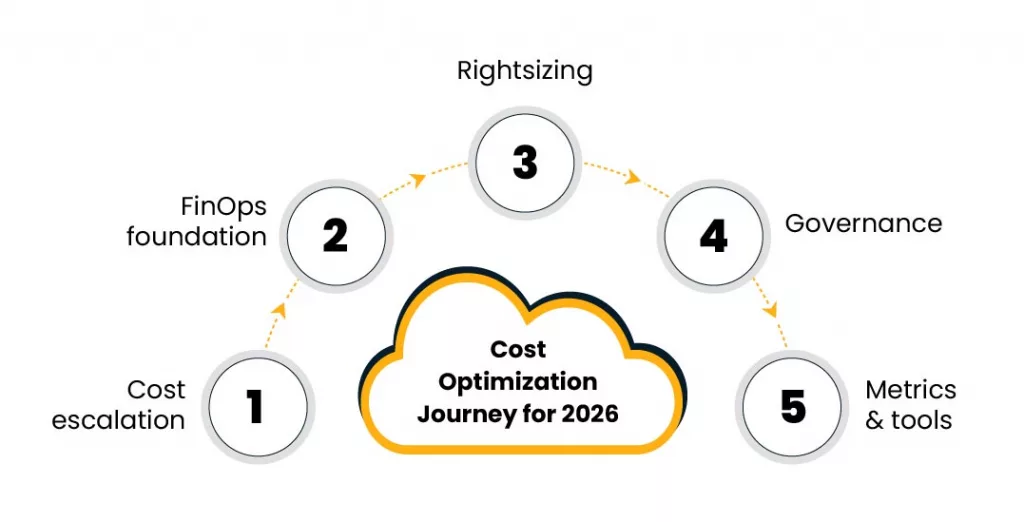
Strategic Methods for Optimizing 2026 Fiscal Budgets
Tactical Methods for Planning Upcoming IT Budgets
Improving IT Asset Management Best Practices