All Categories
Featured
Table of Contents
Capital expense preparation requires particular attention to timing and cash flow ramifications. Moving beyond standard budgeting needs executing advanced forecasting strategies that improve precision and offer much deeper insights into business efficiency.
Implement driver-based forecasting that links monetary outcomes to specific company metrics. This technique develops more transparent connections in between operational activities and financial outcomes, making it easier to identify the root causes of differences and change strategies accordingly. For retail businesses, this might involve forecasting based upon footfall and conversion rates, while service organizations might concentrate on billable hours and utilisation rates.
How to Refine IT Expenditure for 2026 PlanningMethods such as regression analysis, moving averages, and seasonal modification can provide important insights, particularly for services with complex profits patterns or numerous item lines. Consider executing continuous forecasting processes that update projections routinely based on real performance and changing market conditions. This method supplies more timely insights than conventional quarterly reforecasting and enables quicker response to emerging opportunities or obstacles.
This broader viewpoint helps identify trends and risks that internal data alone might not expose. The uncertainty surrounding economic conditions, regulative changes, and market dynamics makes circumstance preparing an essential part of effective budget preparation. Instead of relying on a single projection, developing numerous situations assists services prepare for numerous prospective results and keep strategic versatility.
The base case serves as your main planning file whilst acknowledging that real results will likely differ from these forecasts. The optimistic situation may assume more powerful economic growth, successful brand-new product launches, or favourable regulative modifications.
Essential Metrics for IT Resource Management
Think about establishing specific circumstances around essential risk aspects or chances that might considerably impact your company. These may include circumstances based upon significant consumer losses, technological disturbances, regulative changes, or market expansion opportunities. By measuring the possible effect of these events, you can develop contingency plans and identify early warning indicators.
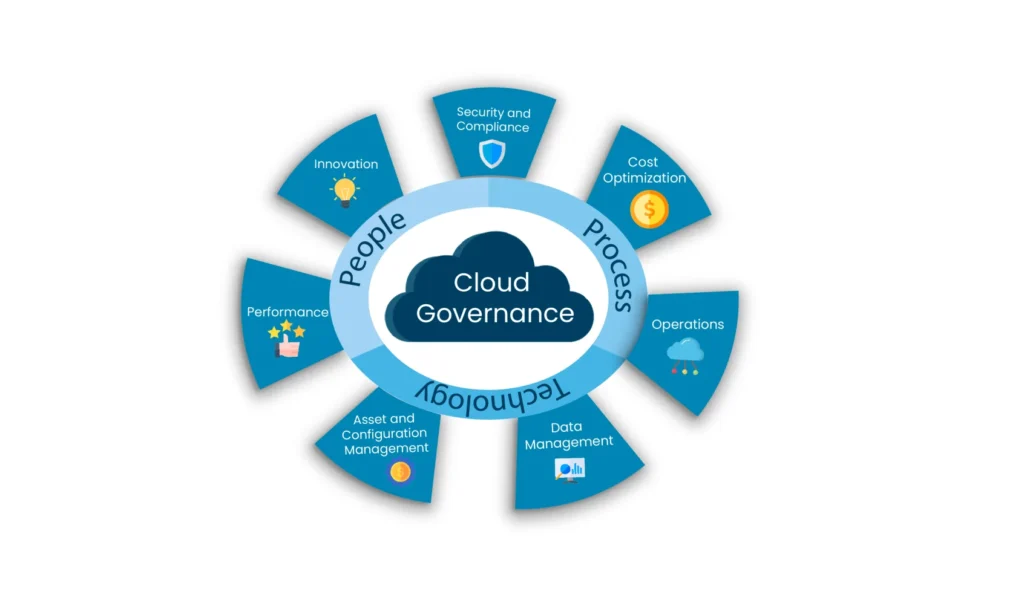
This procedure involves testing how your financial projections would carry out under severe situations, such as substantial earnings decreases or unexpected boost. Document the assumptions underlying each scenario and establish trigger points that suggest when situations are moving towards particular results. This structure makes it possible for more proactive management responses and assists preserve strategic focus throughout durations of unpredictability.
Modern budgeting software supplies capabilities that extend far beyond traditional spreadsheet-based techniques, using higher precision, partnership, and analytical insights. Cloud-based budgeting platforms make it possible for real-time partnership in between employee and supply centralised data management that decreases mistakes and improves variation control. These systems typically provide automated data integration from accounting systems, minimizing manual data entry and enhancing precision.
Dashboard-style reporting provides real-time presence into key efficiency indications and makes it much easier to identify patterns and variances that need attention. Synthetic intelligence and artificial intelligence abilities are progressively being integrated into budgeting software, supplying automated forecasting recommendations based on historical patterns and external data sources. While these tools need mindful recognition, they can substantially improve forecasting precision and decrease the time needed for budget preparation.
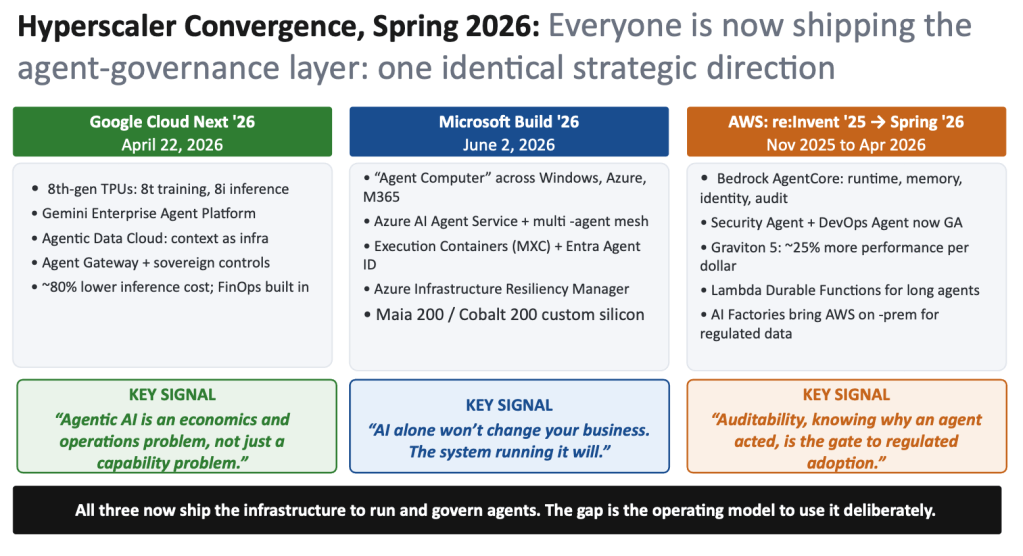
Implementing Robust IT Asset Protocols
Efficient budget plan preparation requires input and buy-in from stakeholders across the organisation. Implementing collective preparation procedures ensures that budgets reflect functional realities and acquire the support required for effective execution.
Produce chances for cross-functional dialogue during the preparation procedure. This partnership improves the precision of assumptions and helps identify possible disputes in between department objectives.
Interaction throughout the organisation is important for developing understanding and dedication to budget plan targets. Discuss the rationale behind key presumptions and assist staff member comprehend how their individual contributions support total business goals. Creating an efficient budget is just the primary step in effective financial preparation. Executing robust monitoring and change processes makes sure that budgets remain appropriate and beneficial throughout the year as situations alter.
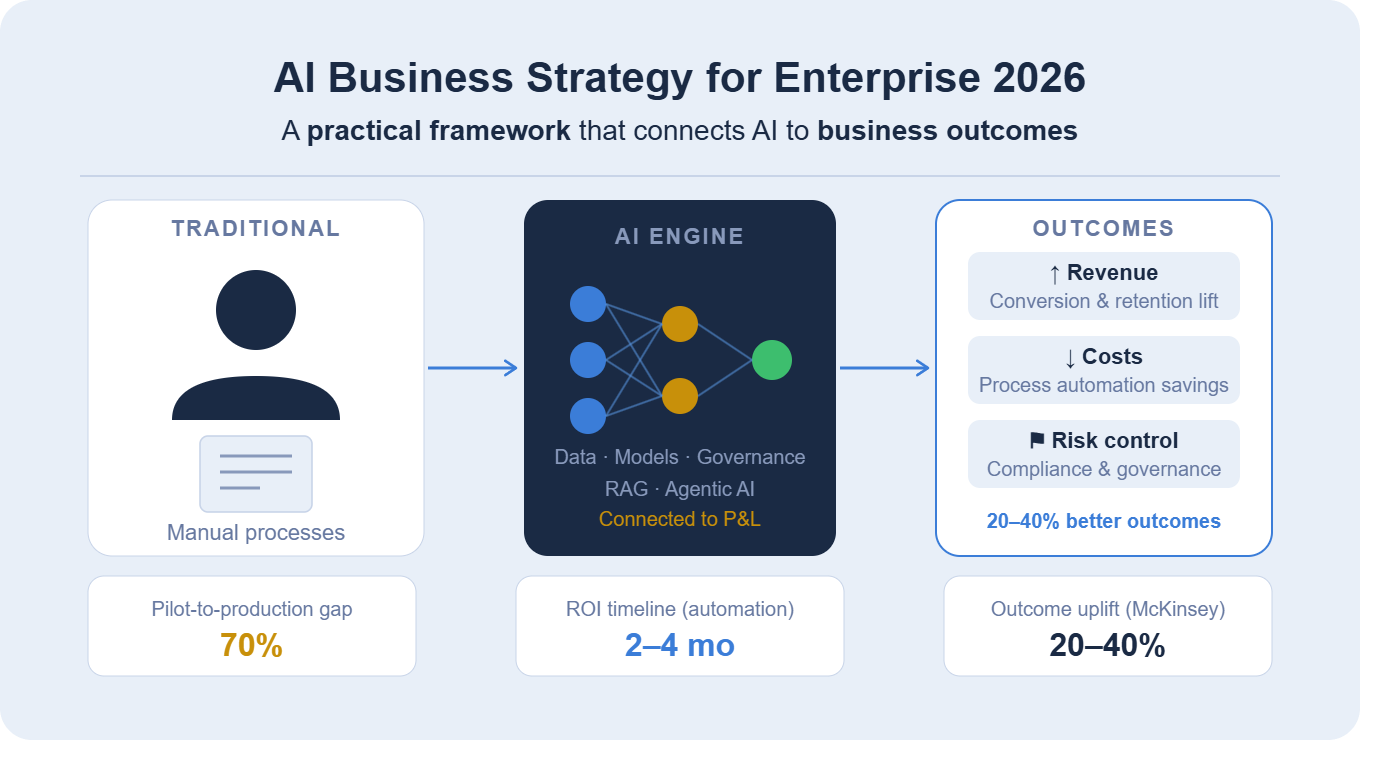
Regular monthly reporting normally offers the ideal balance in between timeliness and administrative problem, though some crucial metrics may gain from more regular tracking. Establish variation analysis procedures that surpass easy actual-versus-budget contrasts to recognize the origin of distinctions and their implications for future performance. This analysis must identify in between temporary fluctuations and essential modifications that require budget plan changes.

Latest Posts
Strategic Methods for Optimizing 2026 Fiscal Budgets
Tactical Methods for Planning Upcoming IT Budgets
Improving IT Asset Management Best Practices